


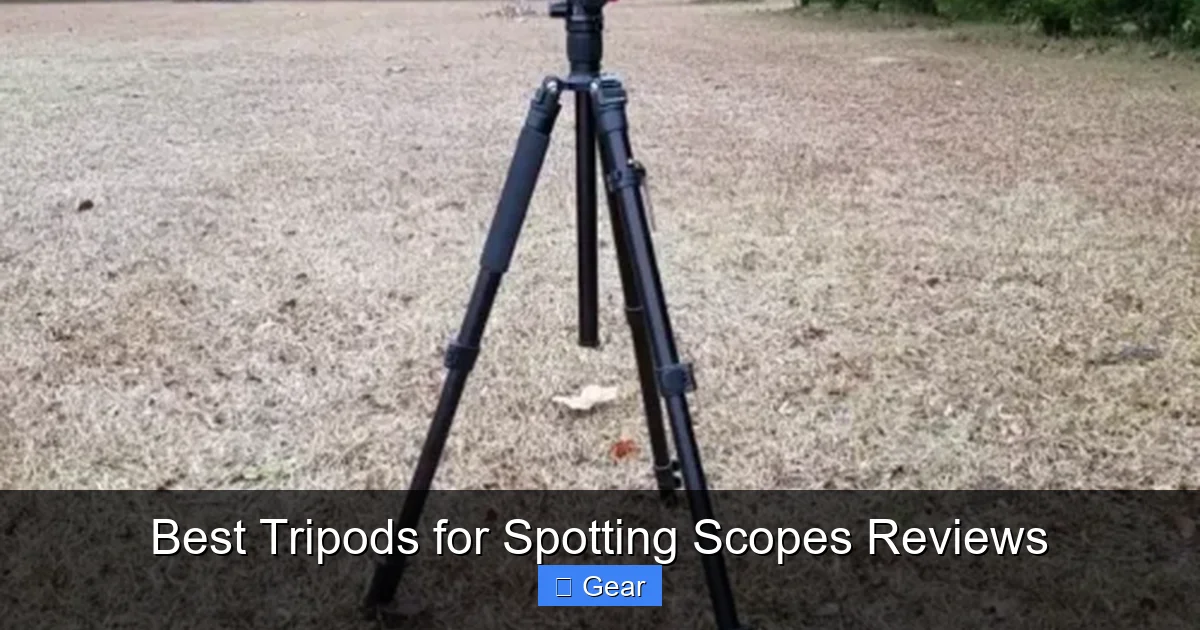
Choosing the best tripod for your spotting scope is crucial for stable, clear viewing, transforming your outdoor experiences. This comprehensive guide helps you navigate the essential features—from materials and head types to weight capacity and leg locks—ensuring you find the perfect match for your needs and budget. Investing in the right spotting scope tripod means enhanced comfort, durability, and ultimately, superior optical performance.
Hey there, fellow outdoor enthusiast! Whether you’re a passionate bird watcher, a dedicated hunter, an avid archer, or simply someone who loves to take in breathtaking distant views, you know that a spotting scope is an invaluable tool. It brings far-off details into sharp focus, revealing a world you’d otherwise miss. But here’s a secret, or perhaps not so secret, that many discover the hard way: your magnificent spotting scope is only as good as the platform it rests on.
Imagine this: you’ve finally spotted that rare hawk, perched high on a distant ridge. You line up your scope, eager to soak in every feather, every glint in its eye. But as you try to fine-tune the focus, the image bounces, trembles, and blurs. Frustrating, right? This common scenario highlights the absolute necessity of a reliable, sturdy tripod. It’s the unsung hero that turns a shaky, squint-inducing experience into a steady, immersive visual feast. This isn’t just about holding your scope up; it’s about unlocking its full potential for clarity and comfort.
In this comprehensive guide, we’re diving deep into the world of spotting scope tripods. We’ll cover everything you need to know, from materials and features to setup tips and maintenance, helping you make an informed decision. Our goal is to equip you with the knowledge to choose one of the best tripods for spotting scopes, ensuring your next outdoor adventure is filled with crystal-clear observations. So, grab a cup of coffee, settle in, and let’s explore how to find the perfect foundation for your viewing pleasure.
Key Takeaways
- Stability is Paramount: A high-quality tripod eliminates vibrations and wobbles, which is essential for achieving clear, steady images, especially at high magnifications with spotting scopes.
- Material Matters: Carbon fiber tripods offer superior strength-to-weight ratio and better vibration damping, making them ideal for portability and performance, while aluminum is a more budget-friendly, durable option.
- Head Type is Critical: A fluid pan-and-tilt head is generally recommended for spotting scopes due to its smooth, precise movements for tracking subjects, though robust ball heads can also work for static observation.
- Consider Weight Capacity and Height: Ensure your chosen tripod can comfortably support the weight of your spotting scope and accessories, and offers sufficient height for comfortable viewing, whether standing or seated.
- Leg Locks and Feet: Quick-release lever locks are often faster to operate than twist locks, and adaptable feet (rubber, spikes) improve stability on various terrains.
- Balance Portability and Durability: Depending on your activity (e.g., hiking, backyard birding), you’ll need to weigh the importance of a lightweight, compact design against maximum stability and ruggedness.
Quick Answers to Common Questions
What is the most important feature for a spotting scope tripod?
The most important feature is stability, followed closely by the type of head. A stable tripod minimizes vibrations, and a fluid pan-and-tilt head allows for smooth, precise tracking of subjects, which is crucial for high-magnification viewing.
Is a carbon fiber tripod worth the extra cost for a spotting scope?
Yes, for many users, carbon fiber is worth the extra cost. It offers superior strength-to-weight ratio, excellent vibration damping, and greater rigidity compared to aluminum, making it ideal for portability and clearer views, especially in windy conditions or if you carry your gear long distances.
Can I use a photography tripod for my spotting scope?
While you technically *can* use a photography tripod, it’s often not ideal. Photography tripods frequently come with ball heads which are harder to use for smooth, precise tracking with a spotting scope. Also, their stability might not be sufficient for the weight and magnification of a typical spotting scope.
How do I know what weight capacity I need for my tripod?
Always check the weight of your spotting scope, eyepiece, and any other accessories you plan to mount (like a camera adapter). Choose a tripod with a weight capacity significantly higher than this combined weight, ideally 1.5 to 2 times more, to ensure maximum stability and safety.
What’s the best type of leg lock for a spotting scope tripod?
Both flip/lever locks and twist locks have their advantages. Flip locks are generally faster to deploy and retract, which can be useful in dynamic situations. Twist locks offer a sleeker profile and are often preferred for durability in sandy or dirty environments. The “best” depends on personal preference and typical use conditions.
📑 Table of Contents
- The Unseen Hero: Why a Great Tripod is Non-Negotiable for Spotting Scopes
- Decoding Tripod Features: What to Look For in Spotting Scope Tripods
- Finding Your Perfect Match: Categories of Spotting Scope Tripods
- Setup Secrets and Maintenance Must-Dos for Your Spotting Scope Tripod
- Smart Shopping: Tips for Choosing the Best Spotting Scope Tripod
- Conclusion: The Foundation of Your Viewing Adventure
The Unseen Hero: Why a Great Tripod is Non-Negotiable for Spotting Scopes
When you invest in a quality spotting scope, you’re buying into the promise of exceptional magnification and optical clarity. But without a rock-solid support system, all that optical brilliance can be wasted. A good tripod isn’t just an accessory; it’s a fundamental part of your viewing setup. It plays a critical role in how well you can actually *use* your spotting scope.
Stability and Clarity: The Core Benefits
The primary job of any tripod is stability, and with spotting scopes, this is amplified. Spotting scopes operate at high magnifications, often 20x to 60x or even higher. At these power levels, even the slightest vibration or movement is magnified dramatically, turning a crisp image into a blurry mess. Think about trying to hold a pair of 60x binoculars steady by hand – it’s impossible! A robust tripod eliminates this shake, allowing you to:
- Achieve Pin-Sharp Focus: With a stable platform, you can meticulously dial in the focus, bringing distant objects into exquisite detail without frustrating jitters.
- Reduce Eye Strain: Constantly trying to stabilize a wobbling image tires your eyes quickly. A steady view is far more comfortable for prolonged observation sessions.
- Track Moving Subjects Smoothly: Whether it’s a bird in flight or a deer moving through the trees, a good tripod head allows for fluid, controlled movements, keeping your subject in view.
Comfort and Durability: Beyond Just Stability
Beyond optical performance, the right spotting scope tripod significantly enhances your overall experience. It offers ergonomic benefits that you’ll appreciate during long hours in the field.
- Ergonomic Viewing Height: A good tripod allows you to adjust your spotting scope to the perfect height, whether you’re standing, sitting, or even viewing from a vehicle. This means less bending, crouching, or craning your neck, making your time in nature much more enjoyable.
- Hands-Free Observation: Once set up, you can take your hands off the scope, allowing you to consult maps, binoculars, or simply relax and observe without constantly holding the device.
- Protection for Your Gear: A sturdy tripod not only supports your spotting scope but also protects it from accidental falls or bumps. It keeps your valuable optics safely elevated and stable, minimizing the risk of damage.
Decoding Tripod Features: What to Look For in Spotting Scope Tripods
Choosing the best tripods for spotting scopes can feel a bit overwhelming with all the options out there. But by breaking down the key features, you’ll be able to identify what truly matters for your specific needs. Let’s dive into the anatomy of a great spotting scope tripod.
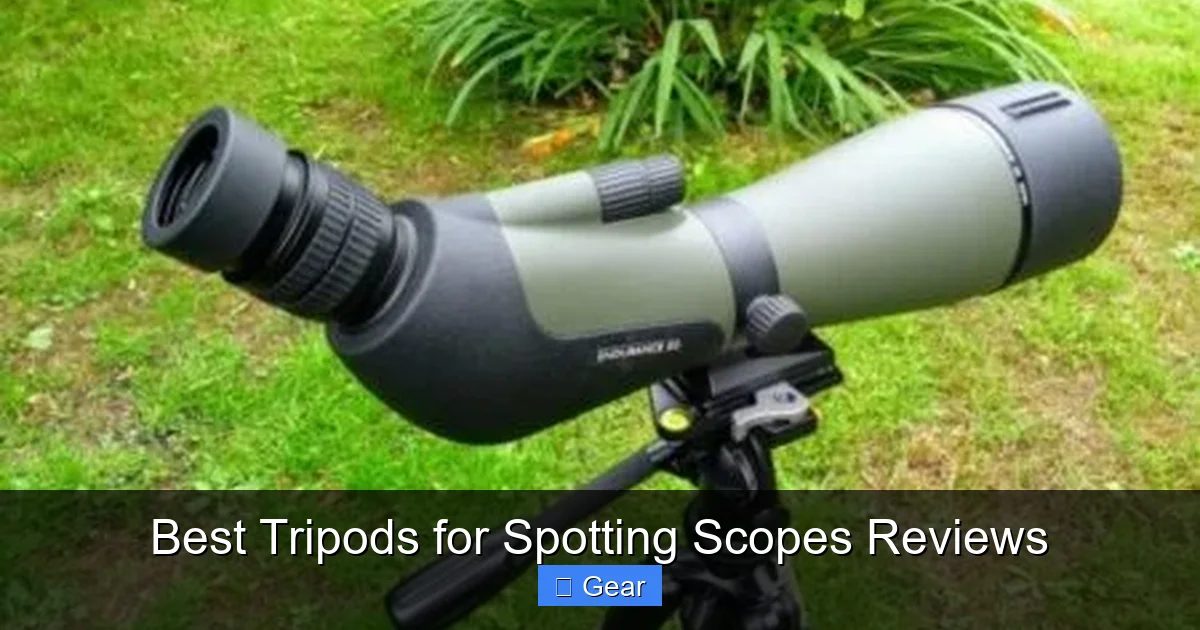
Visual guide about Best Tripods for Spotting Scopes Reviews
Image source: binocularsradar.com
Material Matters: Carbon Fiber vs. Aluminum
The material of your tripod legs significantly impacts its weight, stability, and price.
- Carbon Fiber: This is often the top choice for serious enthusiasts. Carbon fiber tripods are incredibly strong, lightweight, and excellent at dampening vibrations. This means less bounce from wind or accidental bumps. They are ideal if you plan to carry your tripod long distances or operate in windy conditions. The downside? They tend to be more expensive.
- Aluminum: A more budget-friendly alternative, aluminum tripods are durable and offer good stability. While heavier than carbon fiber, modern aluminum alloys can still be relatively lightweight. They are a great option for backyard birding, range use, or if you don’t mind a bit of extra weight for the cost savings.
Head Types: Pan-and-Tilt vs. Ball Heads
The tripod head is arguably the most critical component for a spotting scope, as it dictates how smoothly and precisely you can move your scope.
- Fluid Pan-and-Tilt Heads: These are generally the gold standard for spotting scopes. They offer independent control over horizontal (pan) and vertical (tilt) movements, allowing for extremely smooth and precise tracking. The “fluid” aspect refers to a dampening system that ensures graceful, jolt-free motion. This is perfect for following moving subjects or making minute adjustments.
- Ball Heads: While popular for photography, ball heads are less ideal for spotting scopes. They offer great flexibility, allowing you to position the scope at almost any angle with a single adjustment. However, their all-axis movement can make precise adjustments and smooth tracking difficult, especially at high magnifications. If you mostly use your scope for static observation and want a more compact setup, a robust ball head with strong locking power *can* work, but it’s not typically recommended for dynamic viewing.
Leg Sections and Locks: Speed and Security
How many sections the legs have and how they lock are important for both portability and ease of use.
- Leg Sections: Tripods typically have 3 or 4 leg sections. More sections mean a more compact folded length, which is great for travel. However, more sections can also mean slightly less rigidity and more setup time.
- Leg Locks:
- Flip/Lever Locks: These are fast and easy to operate, even with gloves on. They provide a visual confirmation that the leg is locked.
- Twist Locks: These offer a sleeker profile and are less likely to snag. They can be more durable in sandy or dirty environments but might be slower to operate, especially if you need to extend all sections quickly.
Height, Weight Capacity, and Foot Options
Don’t overlook these practical considerations.
- Maximum Height: Ensure the tripod can extend high enough for comfortable viewing while standing, especially if you’re tall. Also, check the minimum height if you often view from a seated position or prone.
- Weight Capacity: This is crucial. Your tripod *must* be rated to comfortably hold the weight of your spotting scope, its eyepiece, and any accessories (like a camera adapter or phone holder). Always err on the side of caution; a tripod with a higher capacity than needed will be more stable.
- Foot Options:
- Rubber Feet: Standard for indoor and hard surfaces, offering good grip.
- Spiked Feet: Excellent for soft ground, grass, or ice, providing superior stability. Many tripods offer interchangeable feet or include rubber feet that retract to reveal spikes.
Finding Your Perfect Match: Categories of Spotting Scope Tripods
Instead of specific product reviews, let’s look at the types of tripods that excel in different scenarios, helping you decide which of the best tripods for spotting scopes aligns with your personal adventures.
The Lightweight Traveler: For the Hiker and Backpacker
If you’re someone who loves to trek deep into the wilderness, every ounce matters. You need a tripod that’s easy to carry without sacrificing stability. Look for:
- Material: Carbon fiber is almost a must here due to its low weight.
- Leg Sections: 4 or 5 leg sections for a compact folded length.
- Head: A compact fluid pan-and-tilt head, or a very robust, lightweight ball head if space and weight are absolutely paramount and you primarily observe static subjects.
- Weight: Aim for a total tripod weight (legs + head) under 4-5 lbs.
Example Scenario: You’re hiking a challenging mountain trail, hoping to spot bighorn sheep. A lightweight carbon fiber tripod with a compact fluid head allows you to quickly set up, observe, and pack down without feeling burdened by heavy gear.
The All-Around Observer: Versatility for Various Activities
This category suits most users who engage in a mix of backyard birding, range shooting, and occasional excursions. It balances portability, stability, and features.
- Material: High-quality aluminum or a slightly heavier carbon fiber.
- Leg Sections: 3 or 4 leg sections for a good balance of stability and portability.
- Head: A mid-range fluid pan-and-tilt head, offering smooth motion and fine control.
- Weight Capacity: Sufficient to handle a medium to large spotting scope (e.g., 60-85mm objective).
Example Scenario: You spend weekends at the local nature preserve, observing waterfowl and occasionally practicing at the shooting range. An all-around tripod provides the flexibility and stability needed for both environments, without being overly heavy for short walks.
The Heavy-Duty Enthusiast: Maximum Stability for Large Scopes and Static Posts
For those with large, heavy spotting scopes (e.g., 90mm+ objective lens) or who conduct long-term observations from a fixed location, ultimate stability is key, often outweighing portability concerns.
- Material: Thick-gauge aluminum or robust carbon fiber with wider leg diameters.
- Leg Sections: Often 3 sections for maximum rigidity.
- Head: A heavy-duty, professional-grade fluid pan-and-tilt head designed for smooth movement under significant load.
- Weight Capacity: High, often 15 lbs or more, to safely support large scopes and potential accessories.
Example Scenario: You’re an astronomy enthusiast using your spotting scope for lunar observations, or a wildlife photographer waiting for hours in a blind to capture elusive predators. A heavy-duty setup ensures rock-solid stability, even in windy conditions, and provides the precision needed for fine adjustments.
The Budget-Friendly Option: Getting Started Without Breaking the Bank
Everyone starts somewhere! You can still get a perfectly functional tripod without spending a fortune, especially if you’re just getting into spotting scope use.
- Material: Typically aluminum, which offers good value.
- Head: A basic but functional fluid pan-and-tilt head. Avoid cheap ball heads unless you understand their limitations.
- Features: May have fewer advanced features (e.g., interchangeable feet, complex leg angles) but should still be sturdy enough for your scope.
- Prioritize: Focus on weight capacity and head type over advanced materials or super compact size.
Example Scenario: You’ve just purchased your first spotting scope and want a stable platform for backyard birding or occasional target practice. A solid aluminum tripod will provide the necessary stability to get started without a huge upfront investment, allowing you to learn what features you truly value before upgrading.
Setup Secrets and Maintenance Must-Dos for Your Spotting Scope Tripod
Even the best tripods for spotting scopes can underperform if not set up correctly or maintained properly. A few simple practices can significantly extend its lifespan and enhance your viewing experience.
Leveling Like a Pro: The Foundation of Good Viewing
Proper leveling is crucial for a smooth viewing experience. If your tripod isn’t level, your pan-and-tilt head will feel off-kilter, and your scope might drift unintentionally.
- Use the Bubble Level: Most good tripods and heads come with a built-in bubble level. Take the time to get the bubble perfectly centered. Adjust leg lengths individually to achieve this.
- Extend Legs Fully (or to the Right Height): For maximum stability, extend the thickest leg sections first. Avoid over-extending thinner sections if you don’t need the height, as they are inherently less stable.
- Tripod Placement: On uneven ground, place one leg pointing towards your subject for better stability and easier movement around the scope. Spread the legs wide for a larger footprint and increased stability, especially in windy conditions.
Securing Your Scope: A Snug Fit
Once your tripod is level, attach your spotting scope securely.
- Quick Release Plate: Most tripod heads use a quick-release plate. Make sure it’s firmly attached to your spotting scope’s mounting shoe, and then securely locked into the tripod head. Always double-check this connection – a loose plate is a recipe for disaster!
- Balance Your Scope: If your scope has a rotating collar, loosen it slightly to balance the scope on the tripod head before tightening. This prevents the scope from being front-heavy or back-heavy, making panning smoother and reducing strain on the head.
Cleaning and Care: Extending Lifespan
Tripods endure dirt, dust, mud, and water, especially in the field. Regular cleaning is vital.
- After Each Use: Wipe down the legs and head with a damp cloth to remove loose dirt and dust. Pay special attention to leg locks and joints.
- Deep Clean (Periodically): For twist locks, sand and grit can get inside. Extend the legs fully, twist the locks until they come apart (if designed to do so), clean inside thoroughly with a brush and warm soapy water, rinse, and dry completely before reassembling. For flip locks, ensure no debris is preventing a full, secure lock.
- Lubrication: For fluid heads, avoid disassembling unless you know what you’re doing. If movements become stiff, consult the manufacturer’s guide. Some parts may benefit from a very light application of silicone grease (not oil) on non-friction surfaces, but be careful not to get it on locking mechanisms.
- Storage: Store your tripod in a dry place, ideally in its padded carrying case, to protect it from dust and accidental bumps.
Smart Shopping: Tips for Choosing the Best Spotting Scope Tripod
You’ve learned about the features and types. Now, let’s talk about the actual buying process. Making a smart choice among the best tripods for spotting scopes reviews involves balancing several factors.
Balance Your Budget and Needs
It’s tempting to go for the cheapest option, but remember that a good tripod is an investment. A flimsy tripod will lead to frustration and potentially damage your spotting scope. Conversely, you don’t necessarily need the most expensive professional-grade model if you’re a casual user.
- Define Your Use Case: How often will you use it? Where? How far will you carry it? This dictates priorities like weight, maximum height, and ruggedness.
- Set a Realistic Budget: Factor the tripod into your total spotting scope setup cost. A good rule of thumb is to allocate 15-25% of your scope’s value to its support system.
- Read Reviews: Look for “best tripods for spotting scopes reviews” online, but focus on reviews that mention stability, ease of use with spotting scopes (especially pan-and-tilt head performance), and durability, rather than just photography-centric reviews.
Don’t Forget Accessories
Some accessories can further enhance your tripod’s functionality:
- Tripod Bag: Most tripods come with one, but ensure it’s padded and comfortable for carrying.
- Counterweight Hook: Many tripods have a hook at the bottom of the center column. Hanging your backpack or a sandbag can significantly increase stability, especially in windy conditions or with heavy scopes.
- Quick Release Plates: It’s always a good idea to have an extra quick-release plate if you use multiple scopes or binoculars on the same tripod head.
- Smartphone Adapter: If you plan on digiscoping (taking photos/videos through your spotting scope with your phone), a stable tripod is absolutely essential, and a dedicated smartphone adapter will make the process much easier.
Remember, the goal is to create a seamless viewing experience. The best tripods for spotting scopes are those that you almost forget are there – they simply provide a rock-solid, effortlessly adjustable platform for your optics, letting you focus entirely on the wonders unfolding before your eyes.
Conclusion: The Foundation of Your Viewing Adventure
Choosing the best tripod for your spotting scope isn’t a task to be taken lightly. It’s an investment in the clarity, comfort, and longevity of your optical adventures. We’ve explored why stability is paramount, delved into the critical features like materials and head types, and discussed how to match a tripod to your specific activities, whether you’re a lightweight traveler or a heavy-duty observer. We’ve also armed you with essential setup and maintenance tips to ensure your gear performs flawlessly for years to come.
The perfect tripod will empower you to unlock the full potential of your spotting scope, transforming shaky, frustrating views into steady, breathtaking observations. Take your time, consider your needs, and don’t hesitate to invest in quality. With the right foundation, your spotting scope will consistently deliver the sharpest images and the most enjoyable experiences, allowing you to connect with nature and the distant world around you like never before. Happy viewing!
🎥 Related Video: Top 6 Best Tripod For Spotting Scope Hunting 2026! 🔥
📺 HuntingGearsPro
Today I am going to talk about the Best Tripod For Spotting Scope Hunting 2026 You Should Buy. Links: Amazon 6: Vortex …
Frequently Asked Questions
What is “digiscoping” and how does a tripod help?
Digiscoping is the art of attaching a digital camera or smartphone to a spotting scope’s eyepiece to capture photos or videos of distant subjects. A super stable tripod is absolutely essential for digiscoping because even the slightest vibration will cause blur at such high magnifications, ruining your shot. It ensures your images are sharp and clear.
How does tripod height affect comfort?
Tripod height directly impacts your viewing comfort. An adequately tall tripod allows you to observe while standing upright without bending over, reducing strain on your back and neck during long sessions. Conversely, a tripod that can get low to the ground is great for seated viewing or observing from a prone position, like at a shooting range.
Should I prioritize a lighter tripod or a more stable one?
This is a classic trade-off! If you hike long distances, a lighter tripod is crucial for portability. However, for static observation or larger scopes, stability should always take precedence, even if it means a bit more weight. Ideally, aim for the lightest tripod that still meets your stability requirements.
What’s the difference between a fluid head and a friction head?
A fluid head uses a dampening system, often with hydraulic fluid, to provide incredibly smooth, consistent resistance for panning and tilting, which is perfect for tracking moving subjects with a spotting scope. A friction head, on the other hand, relies purely on mechanical resistance, which can be less smooth and prone to jerky movements, making precise tracking more challenging.
Are interchangeable feet important for a spotting scope tripod?
Yes, interchangeable feet can be quite important, especially if you use your spotting scope in varied environments. Rubber feet work well on hard surfaces, while spiked feet provide much better grip and stability on soft ground, grass, or ice. Having the option to swap them out makes your tripod much more versatile and reliable in the field.
How often should I clean my spotting scope tripod?
You should give your tripod a basic wipe-down after every use, especially if it’s been exposed to dirt, dust, or moisture. A more thorough cleaning, especially of the leg locks, should be done periodically or whenever you notice stiffness or grit getting into the mechanisms. This routine care significantly extends the lifespan of your valuable gear.
